CYBERSECURITY AWARENESS
PROGRAM TOOLKIT FOR AMERICAN SPACES
This toolkit is designed for programming at American Spaces to increase participants’ awareness of the importance of cybersecurity and provide the knowledge and tools they need to defend against cyber threats and explore careers in cybersecurity.
Key Definitions
Cybersecurity – The practice of protecting private information, computer systems, and networks from unauthorized access which could result in damages or theft of information.
Data Breach – Data breaches occur when unauthorized users gain access to protected, confidential, or otherwise sensitive information.
Encryption – A method of keeping sensitive information protected that scrambles data to make it so that only someone/something with a decryption key can read the data.
Malware – short for malicious software. Malware disrupts or damages a device’s operation. It can gather sensitive or private information from your computer or other device.
Multi-Factor Authentication (MFA) – The process of using two or more pieces of information to log in to an account, such a password and code sent to a phone.
Password Hygiene – The practice of creating unique and separate passwords for online accounts; managing and changing passwords.
Phishing – When criminals use fake emails, social media posts, or direct messages with the goal of luring users to click on a bad link or download a malicious attachment.
RESOURCES
Articles
- Cyber Glossary | National Cybersecurity Alliance – Extensive list of definitions with links to articles and further information on topics such as artificial intelligence, cybercrime, data privacy, identity theft, and many more.
- Department of State Awareness Fact Sheets for External Audiences – Fact sheets about phishing, AI and phishing, mobile device, Multi-Factor Authentication (MFA), passwords, and social media.
- Guide to Protecting Children Online (English/Spanish) | FTC Consumer Advice – includes booklets in various languages.
- Protect yourself from phishing scams | FTC Consumer Advice – Brief, informative article with links to related articles.
- Scam Prevention Tip Sheets and Social Media Graphics | Federal Trade Commision (FTC) Consumer Advice – collection of articles on topics such as avoiding scams, scams and small businesses, identity theft, and more (in English, and twelve other languages),
Films and Videos
Secure Our World | The Cybersecurity and Infrastructure Security Agency (CISA) One-minute videos on various topics such as phishing, passwords, multifactor authentication (MFA), updating software, and tips for staying safe online.
Lesson Plans
Cybersecurity Awareness Month | (CISA) – Resources from the Cybersecurity and Infrastructure Agency (CISA) include information for individuals and business, a free toolkit to download, and puzzles.
INTRODUCTION
With more than half of the world’s population online, the internet has become an essential part of everyday life, connecting people, businesses, and communities around the world. Yet greater digital connectivity also brings new risks. Cybersecurity awareness programming can help American Spaces participants recognize common online threats, make informed decisions about their digital security, and better protect themselves and their communities, while supporting the U.S. foreign policy priority of promoting digital freedom and open information environments.
BACKGROUND INFORMATION
Cybersecurity has evolved alongside the growth of the internet. Early threats included computer viruses and malware, while today’s threats also include phishing, identity theft, ransomware, data breaches, and other increasingly sophisticated cyberattacks. Cybersecurity is a shared responsibility, requiring individuals, governments, businesses, and other organizations to understand risks and take steps to protect their information, systems, and digital environments.
RESOURCES: For Entrepreneurs and Small Businesses
Cybersecurity for Small Business | Federal Trade Commission – Brief informative bulleted lists of information and actions small businesses can take to protect against cybercrimes.
Small Business Cybersecurity Corner | NIST – Resources include short videos about ransomware, multi-factor authentication (MFA) and phishing.
GCA Cybersecurity Toolkit for Small Business | Global Cybersecurity Alliance – Toolkit including three weeks of course materials, slide decks, and articles.
RESOURCES: For Aspiring Cybersecurity Professionals
Cyber Career Pathways Tool | NICCS – Interactive tool for exploring a vast array of cyber careers from the National Initiative for Cybersecurity Careers and Studies (NICCS).
Cybersecurity Career Profiles | NICCS – Download profiles of multiple cybersecurity jobs.
ONLINE COURSES
Introduction to Cybersecurity by Cisco: Free Online Course – A free, approximately six-hour introductory course covering cyber threats, online safety, data and privacy protection, and cybersecurity career opportunities. No prior knowledge is required, and the course is available in multiple languages.
Understanding Cyber Risk | Global Cyberalliance Organization – Free course to help individuals learn to manage their cyber risk.

DISCUSSION QUESTIONS
- How can improving cybersecurity help make societies safer and more resilient?
- How can secure digital technologies support economic growth, entrepreneurship, and innovation?
- What role should individuals, businesses, and governments play in protecting the digital environment?
- How can international cooperation help countries address cyber threats that cross borders?
- How can we balance the need for cybersecurity with the importance of digital freedom and open access to information?
Overdrive (Libby) Books
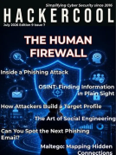
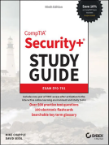
CompTIA Security+ Study Guide (2023) and CompTIA CySA+ Study Guide (2023) for aspiring cybersecurity professionals preparing for these certifications.
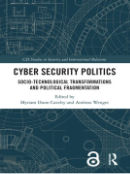
Cyber Security Politics (2022) – Examines political aspects of cyber security
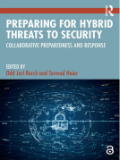
Preparing for Hybrid Threats to Security (2024) – Includes information on hybrid threats in cyberspace.
The views expressed in these links and resources do not necessarily reflect those of the U.S. government.
Updated September 2026