
SPORTS DIPLOMACY
PROGRAM TOOLKIT FOR AMERICAN SPACES
This toolkit is designed for programming at American Spaces to promote sports diplomacy, particularly in support of the Decade of Sport in America.
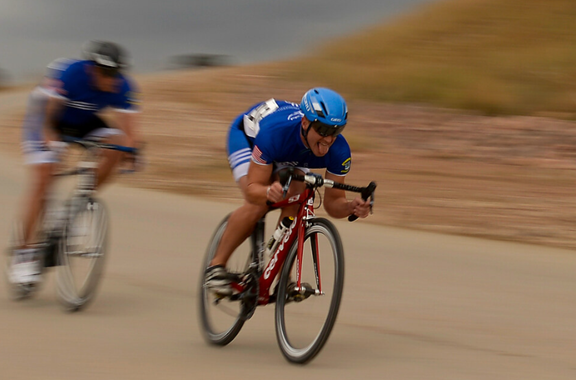
U.S. Air Force athlete Mitchell Kieffer participates in the 2014 Warrior Games in Colorado.
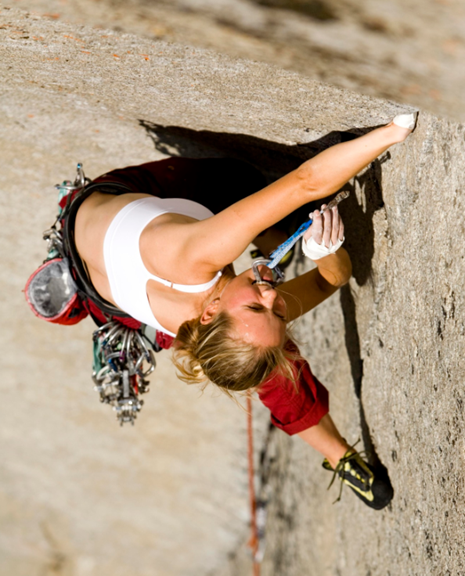
U.S. rock climber Beth Rodden ascends El Capitan in Yosemite National Park.
LESSON PLANS
All-American: The Power of Sports | National Archives
Sports documents and related activities, including analyzing a photo of Jackie Robinson.
AstrOlympics | NASA and Smithsonian
Connects the Olympic Games and science via high-impact, high-resolution photos and posters that can be printed for display in American Spaces. Includes videos and a facilitation guide with brief, science-focused activities. Many of the posters and bookmarks are also available in French, Portuguese, and Spanish.
Content Spotlight: Olympics | American English
Games, competitions, and activities to highlight the Olympics through English language practice.
ONLINE EXHIBITIONS
Baseball and the Archives | National Archives
Historic images and documents related to baseball.
Celebrating Olympic Champions | The White House Historical Association
Photos of U.S. presidents congratulating American Olympic athletes.
Football Photographs at the National Archives | National Archives
Historic images of both amateur and professional football.
Going for the Gold: Summer Olympics | Smithsonian
Historic images and memorabilia from a century of Olympic Games.
Open Access Sports Images | Smithsonian
Hundreds of copyright-free photos and objects from the National Museum of African American History & Culture.
Winter Olympics | National Archives
Video and photos from past Olympic games, including the 2002 Olympics in Salt Lake City, Utah.
Winter Sports | Smithsonian
Photos and memorabilia from Winter Olympics and other sporting events. Includes several innovative American athletic products such as a Burton snowboard and Nike bobspikes, a great way to incorporate commercial diplomacy and showcase American excellence.
FILMS AND VIDEOS
42 (128 minutes) * – American Hero Jackie Robinson wore the number 42 on his jersey. This drama portrays the true story of how he became the first African-American to play in Major League Baseball.
American English Videos on Sports Vocabulary | American English at State (2-3 minutes each) – These short, upbeat videos from the Office of English Language Programs teach new words, idioms, and phrases about sports. They are ideal for English learners, for English language teachers, and for posting on American Spaces social media accounts.
The Boys in the Boat (123 minutes) * – Nine American men overcome difficult circumstances to win gold in rowing at the 1936 Berlin Olympics.
Citizen Ashe | Kanopy (95 minutes) – Documentary of American tennis great and humanitarian Arthur Ashe.
City of Ali | Kanopy (81 minutes) – The story of how the death of American Hero Muhammad Ali brought the people of his hometown – and the world – together for one unforgettable week.
EducationUSA’s U.S. College Sports Playlist – Series of nine webinars hosted by the EducationUSA Australia and New Zealand Team on how international students can play sports in the United States and understand U.S. collegiate sport associations.
The Dawn Wall | Kanopy (100 minutes) – Documentary of two American rock climbers who in 2015 attempt to complete an extraordinarily difficult climb in Yosemite National Park for the first time.
Driven | Kanopy (16 minutes) – Documentary short about a quadriplegic race car driver.
Hockeyland | Kanopy (68 minutes) – Documentary of contemporary high school hockey players in Minnesota who compete in a fierce rivalry.
Hoosiers (113 minutes) * – An underdog basketball team wins the Indiana state championship. This 1986 drama exemplifies the role of high school sports in American small towns.
How to be Recruited as a Student Athlete | EducationUSA Australia New Zealand on YouTube (40 minutes) — An athletic coach at Brown University explains what she looks for when recruiting athletes overseas.
How Your Athletic Skills Can Open Doors to an American University | EducationUSA Guatemala on YouTube (60 minutes) — The National Association of Intercollegiate Athletics (NAIA) explains U.S. university athletics, how to select the right school, and how to apply for scholarships and other athletic opportunities.
In Search of Greatness | Kanopy (76 minutes) – Documentary featuring American athletes such as hockey great Wayne Gretzky, boxing champion Muhammad Ali, tennis phenom Serena Williams, football icon Tom Brady, and basketball star Michael Jordan.
Jackie Robinson | Kanopy (approximately 4 hours) – This two-part documentary series from PBS and Ken Burns tells the story of American Hero, baseball star, civil rights activist, and newspaper columnist Jackie Robinson.
Ken Burns: Muhammad Ali | Kanopy (approximately 6 hours) – This four-part documentary series from PBS traces American Hero Muhammad Ali’s journey from Olympic athlete to advocate.
A League of Their Own* (128 minutes) – Madonna, Tom Hanks, and Geena Davis star in this drama based on the true story of America’s first female professional baseball league.
Overview of the Student Athlete Process & Understanding Athletic Associations | EducationUSA Mexico on YouTube (53 minutes) — EducationUSA advisers explain the process for student athletes to apply to U.S. colleges and universities, and how athletic associations play a role in the application process.
Young Woman and the Sea (129 minutes) – Based on the true story of Olympic gold medalist Gertrude Ederle, the first woman to swim across the English Channel.
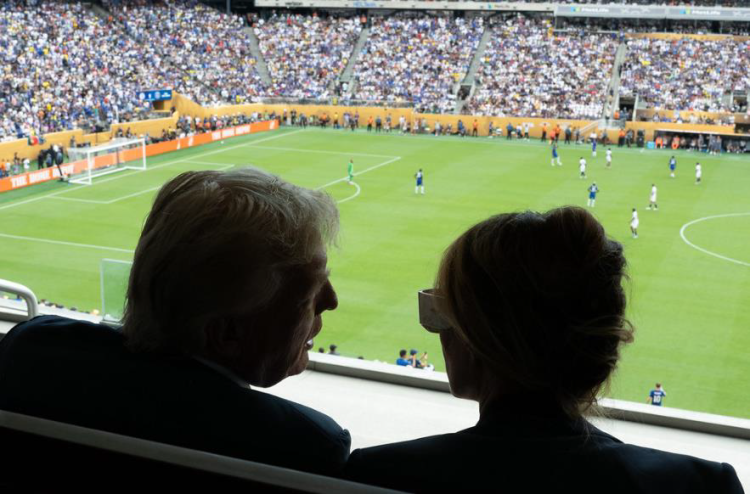
President Donald Trump and First Lady Melania Trump attend a final soccer match in New Jersey.
SOCIAL MEDIA
Follow and repost content from the Sports Diplomacy Division of the Bureau of Educational and Cultural Affairs:
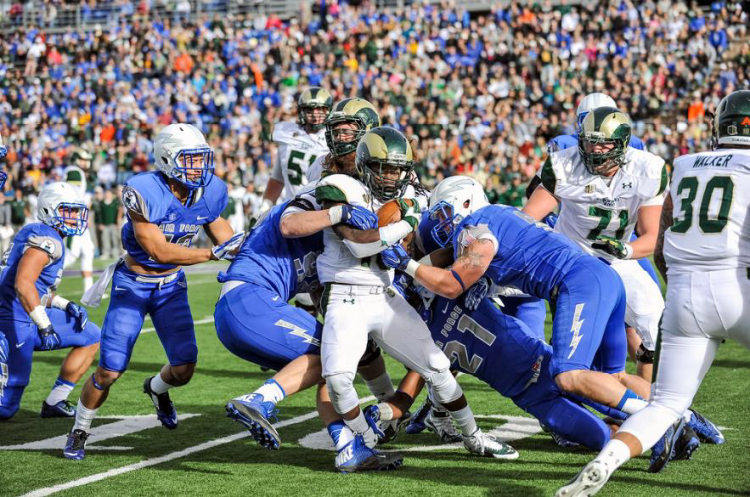
The Colorado State University’s football team – the Rams – play against the U.S. Air Force Falcons in 2014.
DISCUSSION QUESTIONS
During English conversation clubs, film discussions, or other programs, consider using the following questions to engage audiences.
- What sports are popular in your country? How does this sport connect your country with the United States?
- How will your country participate in upcoming major sporting events hosted in the United States? Will any major international sporting events be coming to your country in the coming years? What impact do you think hosting these events has on a country’s global image and economy?
- Why do you think sports play such a significant role in American culture? How does this compare to the role of sports in your own country?
- What do you see as unique about American sports traditions? What is unique about American athletes and fans?
- Why do you think events like the Super Bowl or the World Series are so widely celebrated in the United States?
- Many American athletes have overcome obstacles and broken barriers to achieve success. How do their stories reflect American excellence?
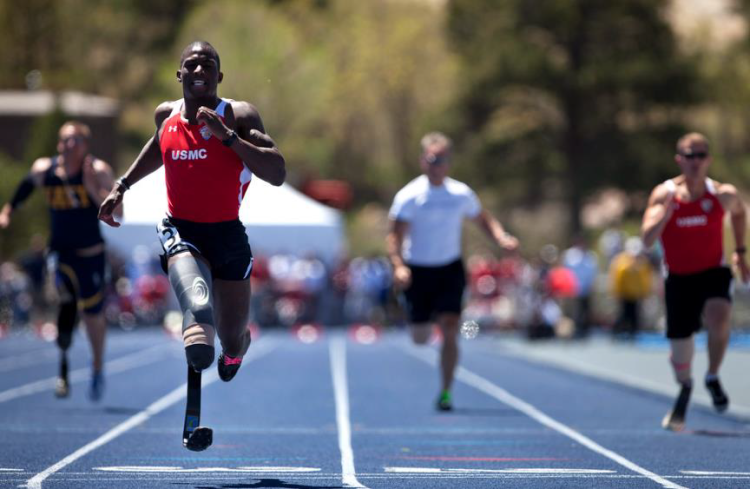
Wounded U.S. Marines Corporal Kionte Storey wins gold in the men’s 100-meter lower impairment dash race at the 2012 Warrior Games.
“Participating in sports builds character, forges friendships, tears down barriers, and brings
President Donald J. Trump, remarks at 2018 White House Sports and Fitness Day
people from all walks of life closer together.“
INTRODUCTION
What is sports diplomacy?
Sports have been used as a diplomatic tool since the very first Olympic Games. Sports diplomacy allows nations to advance foreign policy goals through athletics – from close people-to-people interaction to large, multi-country sporting events.
Why sports diplomacy?
- Sport is a universal language transcending linguistic, geographic, religious, and ethnic differences.
- Sport is a low-cost, high-impact tool.
- Sport can teach important life skills such as leadership, teamwork, resilience, conflict resolution, and communication.
- Sport can attract audiences who are otherwise difficult to reach or engage.
- Promoting American sport and sporting events celebrates American excellence, amplifies U.S. leadership in sports, and promotes American values of fair play and open competition for overseas audiences. Sports diplomacy activities make America safer and more prosperous by strengthening bilateral relationships and fostering investment in the U.S. sports economy.
DECADE OF SPORT
From 2024 to 2034 there will be least 10 major international sporting events in the United States including the Olympic and Paralympic Games in Los Angeles and Salt Lake City. These events provide American Spaces many opportunities to leverage sports to address foreign policy priorities and advance American excellence. The following is a timeline of some of the major events of the Decade of Sport in America:
- June-July 2026: International soccer tournaments in Canada in Canada, Mexico, and the United States, including in U.S. host cities Atlanta, Boston, Dallas, Houston, Kansas City, Los Angeles, Miami, New York City, New Jersey, Philadelphia, San Francisco, and Seattle
- 2028: Summer Olympic & Paralympic Games in Los Angeles, California, and Oklahoma City, Oklahoma
- 2029: FISU World University Games Summer Games in North Carolina
- 2031: Men’s Rugby World Cup
- 2033: Women’s Rugby World Cup
- 2034: Winter Olympic & Paralympic Games in Salt Lake City-Utah
ADVANCING SPORTS DIPLOMACY
American Spaces are ideal platforms for hosting sports diplomacy programs and promoting sports diplomacy via information resources and social media. Talk with your embassy or consulate’s Public Diplomacy Section about how your American Space can advance policy goals via sports diplomacy.
PROGRAM FORMATS
Sports diplomacy programs take many forms, depending on how you intend to reach your target audience. Examples include:
- Live game watch parties (ask your embassy or consulate if streaming access is available)
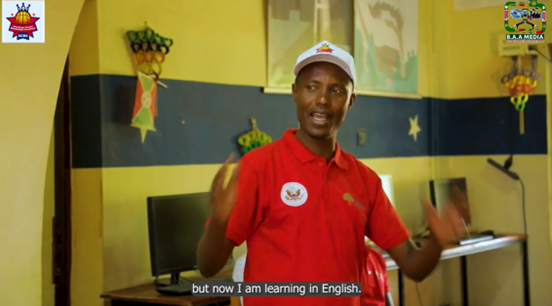
- Sports clinics (workshops) and camps
- Workshops on sports media skills, AI and sports, or technology innovation in sports
- Discussions, expert panels, public speaking contests, and film screenings
- Educational advising that promotes U.S. study opportunities for prospective student athletes and/or connects students with U.S. national sports associations (NAIA, NCAA).
PROGRAM PLANNING RESOURCES
- Alumni: Ask your embassy or consulate if there are alumni of the Sports Visitor Program, the International Sports Programming Initiative, or the Global Sports Mentoring Program in your country. These alumni can be powerful presenters or guest speakers during sports diplomacy programs.
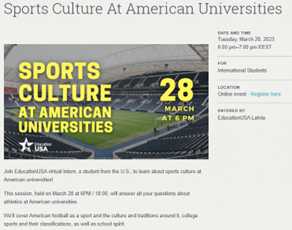
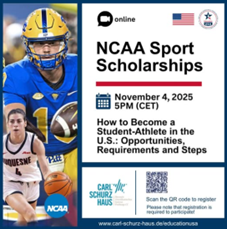
Possible programs include a discussion about sports culture at American universities and a presentation from an NCAA speaker and alumni athlete about how to become a student athlete.
- EducationUSA: The high number of audiences watching sports events is an opportunity to highlight the role U.S. colleges and universities play to train athletes before they go on to play at a professional level.
U.S. colleges and universities offer countless opportunities for students to play sports competitively and informally. They also offer courses and curriculum such as sports marketing, eSports, sports management, physiology, sports medicine, and sports psychology.
EducationUSA advisers share information on how international students can play sports while studying at a U.S. college or University. Connect with the nearest EducationUSA adviser in your country and invite them to present to your audiences about:- Athletic scholarships
- Sports degrees and majors
- EducationUSA alumni success stories: During recent Olympic Games, international students who studied at U.S. universities were celebrated by both the U.S. and their home countries. This builds connection between both nations. Here are some examples of international student athletes who studied in the United States and competed at a professional level.
- Stanford University alumnus Udodi Onwuzurike from Nigeria competed in the 2024 Olympics for track and field.
- 18 international students from the University of Washington competed in the 2024 Olympic Games.
Organize watch parties to promote college sports such as college basketball via March Madness and college football through New Years Six bowl games (Rose, Orange, Peach etc.). Request brochures and swag from U.S. Higher Education Institutions (HEIs) participating in the tournaments.
Promote sports majors via a Study State Consortia delegation. For example, Study Colorado brings coaches, staff, and faculty from various Colorado HEIs that offer the opportunity to play sports and or pursue degrees in sports related fields.
- U.S. Citizens:
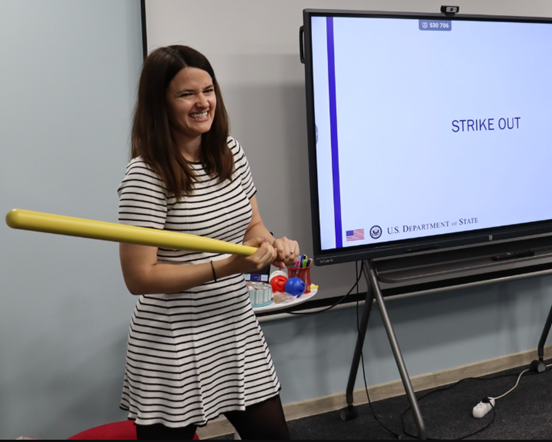
- Take advantage of U.S. citizens in your community. For example, are there U.S. embassy officers or family members, Peace Corps volunteers, Fulbright English Teaching Assistants, English Language Fellows, or others who can serve as presenters, guest speakers, or sports clinic facilitators?
- Ask your embassy or consulate if they will be hosting a Sports Envoy and if it makes sense for the envoy to connect with audiences at your American Space.
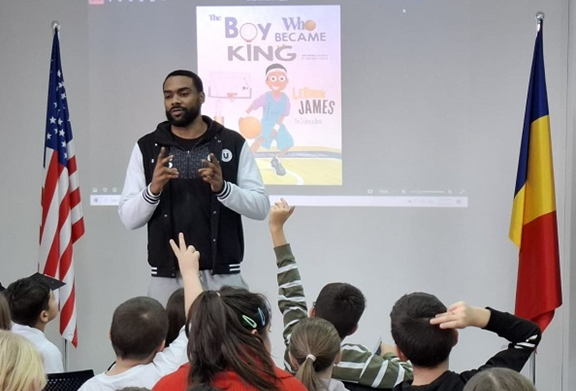
- U.S. Professional Athletes Overseas: American athletes, particularly in soccer and basketball, frequently play professionally overseas. For example, Americans play in Croatia’s League 1 (basketball), Mexico’s Liga de Expansion (soccer), and on Greece’s Panathinaikos team (soccer). Are there U.S. citizen athletes playing on teams in your country who can serve as presenters or guest speakers?
- Local Connections to U.S Teams: Are athletes from your country playing on U.S. teams at the university or professional level? Are coaches, trainers, or other individuals from your country working with the U.S. sports industry or U.S. teams? If so, consider them as presenters or guest speakers.
- Local Teams Playing American Football: Is there an amateur, flag, or semi-professional American football club in your community, like the Krakow Kings or the Jerusalem Lions? These clubs may be strategic audiences or may connect you to strategic audiences in your community.
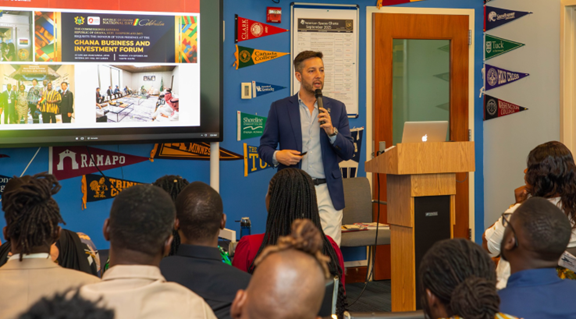
- American Chamber of Commerce (AmCham) and/or Foreign Commercial Service: Advance commercial diplomacy through promotion of U.S. sports merchandise and fandom. Connect with your local AmCham and/or post’s Foreign Commercial Service officer to explore opportunities. Consider amplifying the social media posts of American teams seeking greater global engagement: this site provides the social media handles of the most popular American teams. The Global Markets Program lists the National Football League (NFL) football teams that are expanding their marketing overseas.
ADDITIONAL PROGRAM IDEAS
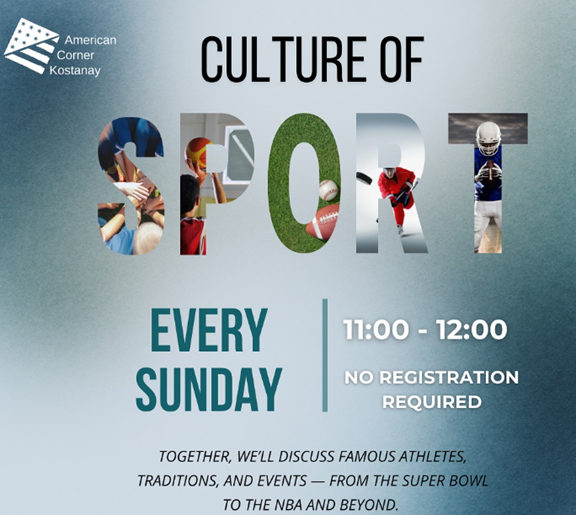
- American Heroes: Highlight an athlete from the White House’s list of American Heroes.
- Freedom 250: Highlight a historic U.S. sports event, athlete, or innovation through film, food, music or other resources. Consider showcasing sports that have an origin in the United States, for example: American football, baseball, modern mixed martial arts (MMA), skateboarding, softball, and volleyball.
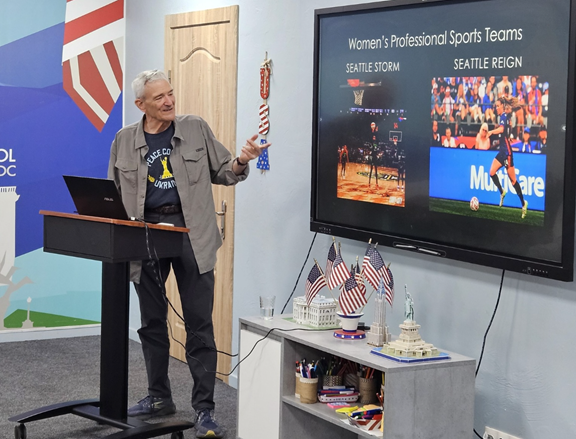
- U.S. event venues and hosts: Highlight a state, city, or stadium where an upcoming sports event is happening. If your city has a U.S. Sister City, highlight its teams, athletes, and stadiums.
- Country-to-country: Choose an aspect of your country’s sports culture and compare and contrast it with an aspect of U.S. sports culture. This may help overseas audiences connect more easily with U.S. sports.
- Culinary Diplomacy: explore traditions around sports and food in the U.S. and in your country. Highlight American athletes, chefs, and brands for their global influence.
- U.S. Technology Innovation:
- Spotlight a major U.S. innovation such as wearable fitness trackers, virtual reality training, technology for adaptive sports, or smart stadium design. Feature examples like the use of Hawk-Eye technology in tennis, AI-assisted play analysis in the NFL, or motion capture used by NBA teams to improve shooting accuracy. Explore how these technologies promote fairness, safety, and fan engagement, and discuss how similar innovations could enhance sports in your community.
- Celebrate an American milestone in sports technology, such as the invention of instant replay, the rise of sabermetrics in baseball, or the development of wearable performance monitors. Create a small display or discussion about how these innovations reflect American ingenuity and fair play.
- American spirit: Sports teach friendship, respect, teamwork, leadership, and resiliency.
- Conduct discussions or workshops on building mental and physical resiliency using examples of American athletes.
- Organize a practical demonstration with minimal equipment: chair yoga, tai chi, and Zumba are all popular fitness activities in American libraries and community centers.
Online Reading
Consider organizing discussions, English conversation clubs, scavenger hunts, and displays about the following magazines, books, and articles. These programs and displays can also be an opportunity to promote individual eLibraryUSA accounts. Regularly highlighting one book or magazine on your social media platforms can generate online discussion and spark interest in eLibraryUSA.
Magazines
Air Jordans & the Sneakers that Changed the Game | OverDrive (Libby)
Showcases the innovative footwear created for and by American basketball stars and their fans.
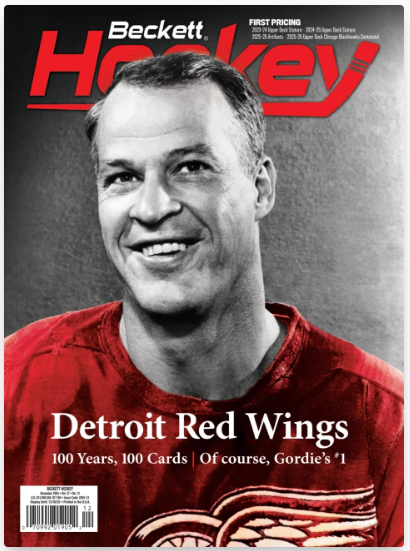
Beckett Hockey | PressReader
Monthly issues dedicated to professional ice hockey.
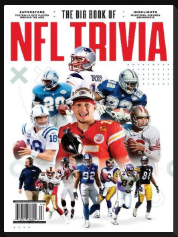
The Big Book of NFL Trivia | OverDrive (Libby)
Test your knowledge of American football’s coaches, athletes, and historic plays.
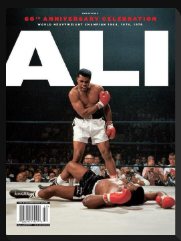
Muhammad Ali: 60th Anniversary Celebration | OverDrive (Libby)
Iconic photos and intimate interviews trace the rise of boxing great and American Hero Muhammad Ali.
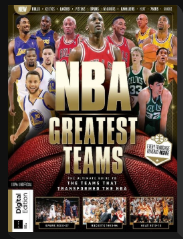
NBA’s Greatest Teams | OverDrive (Libby)
Discover the history, highlights, and key players from all 30 National Basketball Association teams.
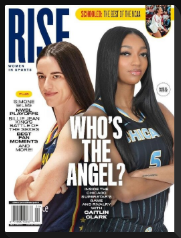
Rise: Women in Sports | OverDrive (Libby)
Features American female athletes, including WNBA greats Caitlin Clark and Angel Reese.

Roberto Clemente | OverDrive (Libby)
A tribute to the first Latino to enter the Baseball Hall of Fame and to be a World Series Most Valuable Player. Interviews and photos explain why Clemente is an American Hero and one of history’s most underrated major league baseball players.
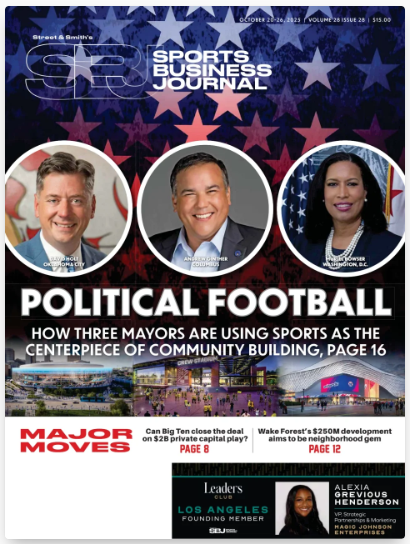
Sports Business Journal | PressReader
Featuring the leaders and latest trends from the sports industry.

Sports Life Magazine | OverDrive (Libby)
Monthly editions covering a wide variety of sports – from skateboarding to soccer to rodeo – with photos, interviews, and articles.
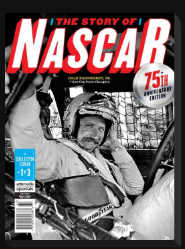
The Story of NASCAR | OverDrive (Libby)
The story of NASCAR’s rise from a humble car racing competition to a billion-dollar industry. Includes stunning photos, driver biographies, and featured racetracks.
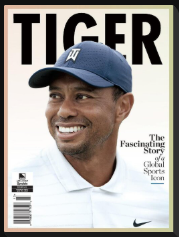
Tiger Woods | OverDrive (Libby)
The life story of an immensely popular golfer who broke boundaries, creating new generations of fans from all walks of life.
Books

The Best Sports Writing of Pat Jordan | OverDrive (Libby)
Acclaimed sports journalist Pat Jordan’s best articles cover American athletics across the spectrum, including baseball, diving, and bodybuilding, plus American superstars such as the Williams sisters and Wilt Chamberlain.

The Big Fella: Babe Ruth and the World He Created | OverDrive (Libby)
The acclaimed biography of an American Hero is based on more than 250 interviews and chronicles Ruth’s 1927 celebratory U.S. tour after hitting his 60th home run. (Audiobook
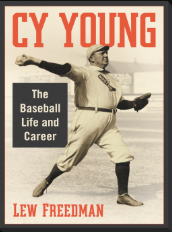
Cy Young: The Baseball Life and Career | OverDrive (Libby)
American Hero and one of history’s all-time best pitchers, Cy Young started as a farmer and became one of the first members of the Baseball Hall of Fame.
Friday Night Lights | OverDrive (Libby)
This bestselling account of the winningest high school football team in Texas history also tells the story of small-town American values and culture. (Audiobook)
The Greatest | OverDrive (Libby)
Boxing champion Muhammad Ali shares his personal journey of transcending bigotry to become an American Hero. (Audiobook)
How Baseball Explains America | OverDrive (Libby)
If you understand baseball, you understand something about the American experience. This longtime sports journalist covers baseball’s impact, from the White House to movie theaters to historic players like Jackie Robinson.
Jackie Robinson and the Integration of Baseball | OverDrive (Libby)
Despite racism and overwhelming adversity, U.S. Army veteran and college football star Jackie Robinson integrated professional baseball in 1947. His achievement paved the way for generations of future African American players.
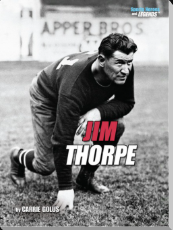
Jim Thorpe | OverDrive (Libby)
This Olympian and American Hero overcame prejudice against Native Americans to become one the 20th century’s best football players. This short biography is best for teens and English language learners.

Lou Gehrig: The Lost Memoir | OverDrive (Libby)
Baseball Hall of Fame member, Most Valuable Player, and American Hero Lou Gehrig tells his rags-to-riches story at the age of 24. (Audiobook)
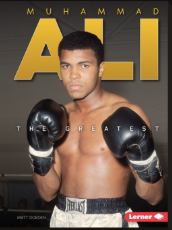
Muhammad Ali | OverDrive (Libby)
Ideal for young adults and English language learners, this brief and accessible biography tells the story of an American Hero: a boxing superstar, Olympian, and civil rights champion.
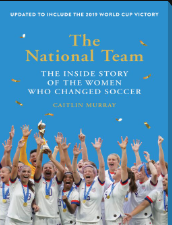
The National Team | OverDrive (Libby)
Profiles the U.S. Women’s National Soccer team from the 1980s to its fourth World Cup victory in 2019.
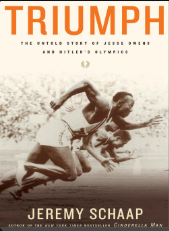
Triumph | OverDrive (Libby)
American Hero Jesse Owens won four gold medals at the 1936 Olympics, making a courageous statement to Nazi Germany and the world. This book details the hurdles Owens overcame to reach Berlin.
Articles
Baseball returns to the Olympics | ShareAmerica
The U.S. readies for World Cup | ShareAmerica
Already destinations, U.S. cities embrace World Cup | ShareAmerica
U.S. welcomes soccer fans for World Cup | ShareAmerica
Cricket bowls toward Los Angeles | ShareAmerica
For Olympics 2028, Los Angeles goes for the gold | ShareAmerica
LA Olympics to embrace flag football | ShareAmerica
Ping-Pong Diplomacy: Artifacts from the Historic 1971 U.S. Table Tennis Trip to China | National Museum of American Diplomacy
Running Against the World: Jesse Owens and the 1936 Berlin Olympics | The White House Historical Association
Softball Comes Home for Olympics in 2028 | ShareAmerica
Sports Diplomacy from A to Z | USC Center on Public Diplomacy
DISCLAIMER
The views expressed in these links and resources do not necessarily reflect those of the U.S. government.
* Post may need to procure these films. Not all films are appropriate for all audiences. Coordinators should preview films before showing them. American Spaces have the right to screen Kanopy films (available through eLibraryUSA) at their American Space if the film has public performance rights. Other films must be covered by the MPLC license.
Here is more information on showing films at American Spaces.
Updated December 2025