THE U.S. CONSTITUTION
PROGRAM TOOLKIT FOR AMERICAN SPACES
This Program Toolkit is designed for programming at American Spaces to create a greater awareness of the U.S. Constitution, how it was formed, and its impact throughout the world. It also includes a curated set of resources to help you design engaging Constitution Day programming, making it easy to celebrate this important milestone with your audiences.
IMPORTANT TERMS
The Constitution – the supreme law of the United States that also established the framework of America’s federal system of government.
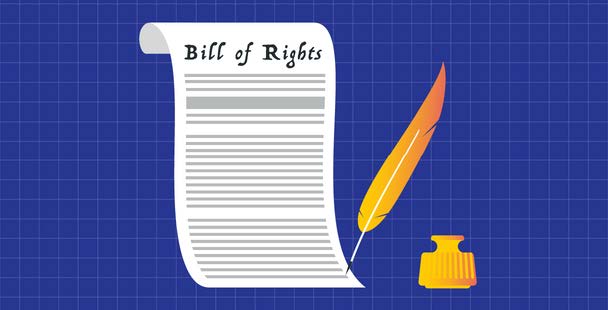
Bill of Rights – a formal statement of the fundamental rights of the people of the United States, incorporated in the Constitution as Amendments 1–10.
Amendment – a written change or addition to the Constitution.
Federalism – a mixed or compound mode of government that combines a central government with regional governments in a single political system.
RESOURCES
Lesson Plans
- iCivics – Students will learn how our Constitution was created and what some of its key characteristics are.
- Ben’s Guide to the U.S. Government – Learning Adventures, designed for different age groups, offer an interactive exploration of the Federalist Papers, the U.S. Constitution, and the Bill of Rights.
- Constitution Day and Citizenship Day – These classroom activity ideas and resources encourage students to explore, discuss, and deepen their understanding of the U.S. Constitution.
- Annenberg Classroom:
Teaching the Constitution – An extensive source of lesson plans and videos about the Constitution, three branches of government, Constitutional Amendments and landmark court cases.
Games
- Annenberg Classroom Games: Learn about the Bill of Rights with the That’s Your Right game, how to make a law with the LawCraft game, and the three branches of government with the Branches of Power game.
- iCivics Games – These fun games cover topics related to the U.S. Constitution.
- Quiz Yourself: The U.S. Constitution – Test your knowledge about the United States Constitution (United States Courts).
- Test your knowledge about the Founding Fathers with these two quizzes:
- Name That Founder (National Constitution Center, Philadelphia).
- How Well Do You Know The Founding Fathers? (Bureau of Global Public Affairs).
Online Exhibitions
- American Democracy: A Great Leap of Faith – Smithsonian
- First Amendment Rights – National Archives
- Constitution Day: The Full U.S. Constitution Virtual Exhibit – National Archives
Related Toolkits
WHAT IS THE U.S. CONSTITUTION?
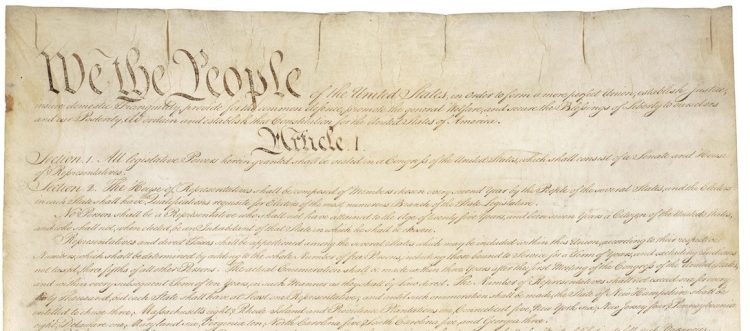
We the People of the United States, in Order to form a more perfect Union, establish Justice, insure domestic Tranquility, provide for the common defense, promote the general Welfare, and secure the Blessings of Liberty to ourselves and our Posterity, do ordain and establish this Constitution for the United States of America.
Preamble to the United States Constitution
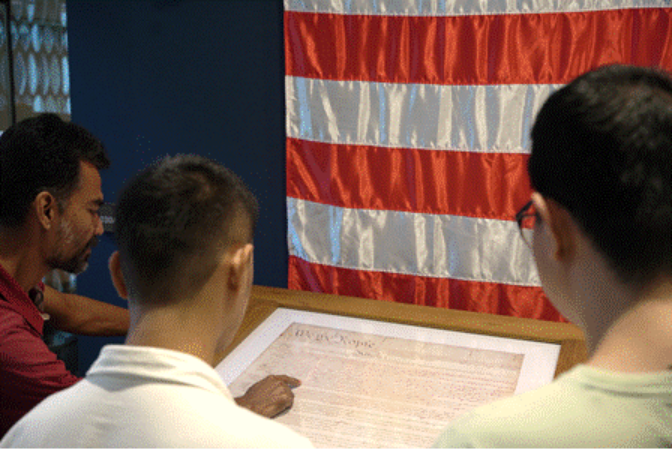
Under America’s first form of national government as outlined by the Articles of Confederation, the thirteen original states acted together only for specific purposes. With the ratification of the Constitution, the residents of the different states were now all citizens of one nation with a federal legislature and judiciary, as well as a chief executive. Without the Constitution, the American Experiment might have ended as quickly as it had begun. All four pages of the original document are on permanent display at the National Archives in Washington, DC. Above is the preamble, or beginning of the Constitution.
AMERICA’S FOUNDING DOCUMENTS
The Declaration of Independence, the Constitution, and the Bill of Rights: These three documents, known collectively as the Charters of Freedom, have secured the rights of the American people for nearly 250 years and are considered instrumental to the founding and philosophy of the United States. These documents have been used around the world as blueprints to establish a democracy.
THE NATIONAL CONSTITUTION CENTER
The National Constitution Center serves as America’s leading nonpartisan platform for constitutional education and debate. Here are some of its resources:
- Interactive Constitution – Learners of all ages can learn about various interpretations of the Constitution.
- We the People video series – These award-winning educational videos cover a range of topics appropriate for American Spaces audiences.
- Virtual Tours – You can explore exhibits on the drafting and signing of the Constitutions and on Alexander Hamilton.
- Lesson Plans – Dozens of lesson plans by grade level.
- Explore the principles of the American Constitution Slide deck and worksheets.
- Constitution Day Programming Resources – Learn about Constitution Day, explore six ways to celebrate it, and access essential resources.
BEST PRACTICES
In honor of Constitution Day on September 17, 2025, and in accordance with Executive Order 14190, the global network of nearly 600 American Spaces has hosted programs celebrating the endurance of the U.S. Constitution, the longest-standing written and codified constitution in the world. From radio interviews in Italy, a comparative studies session in Laos, and a roundtable discussion with an American diplomat in Angola, participants were inspired to learn of the amendment process as a means to protect personal freedoms. These events highlighted America’s fundamental concepts of federalism, freedom, and inalienable rights.

Kanopy Films
Via eLibraryUSA, American Spaces can screen Kanopy films inside their Space if the films have public performance rights. Visit our screening permission guidelines for more details.
- George Washington (44 minutes, 2015) – This documentary explores George Washington’s role in the American Revolution, his path to the presidency, and his impact on American democracy.
- Thomas Jefferson (44 minutes, 2015) – This video examines Jefferson’s role as the principal author of the Declaration of Independence and the architect behind the largest territorial expansion in U.S. history.
- An American (1775-1790): Ken Burns: Benjamin Franklin (1 hour, 53 minutes, 2022) – This video explores Franklin’s work on the Declaration of Independence, the American Revolution, and the Constitution.
- The First American (1 hour, 34 minutes, 2016) – This video portrays George Washington’s central role in founding the United States, including his role in creating the Constitution and establishing precedents for effective self-governance.
OverDrive Books
American Spaces have access to the OverDrive platform via eLibraryUSA. OverDrive features American fiction and non-fiction ebooks, as well as audiobooks and other tools that support the Six Pillars of American Spaces Engagement Activities. The following books related to the Constitution are available in OverDrive:
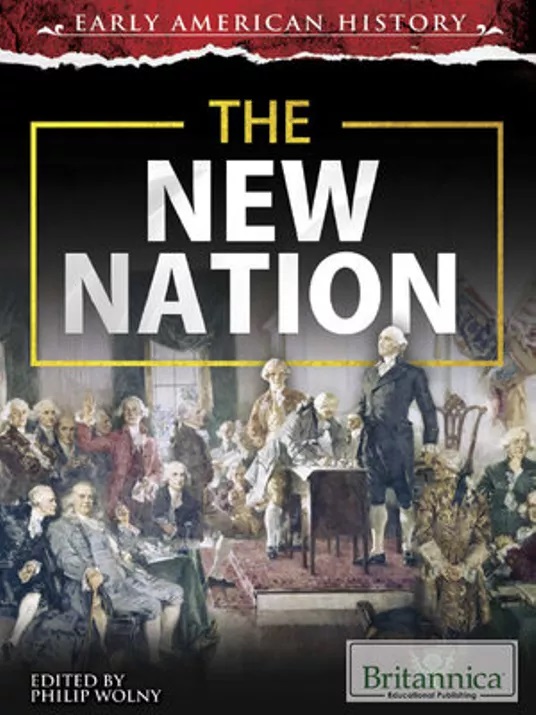
The New Nation
The story of the nation’s founding is told through words, maps, illustrations, paintings, and documents in this book for teens and adults.
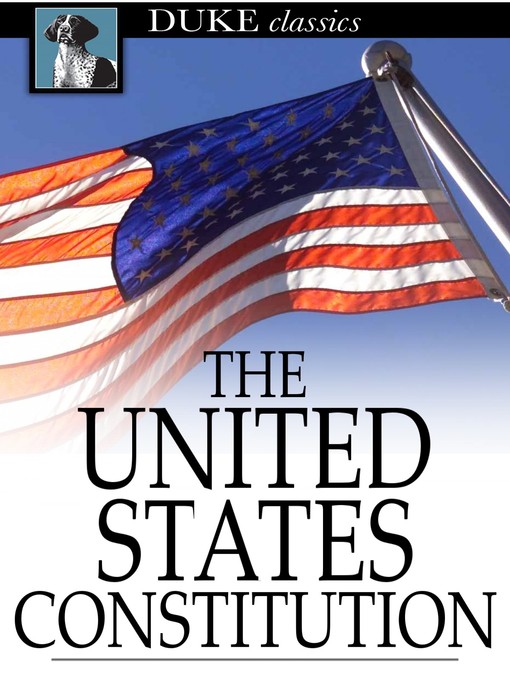
The United States Constitution
One of the most influential documents ever written, the U.S. Constitution delineates not only the basic structure of the entire federal government but also limns the democratic principles and philosophies that made the American experiment such a radical departure from other countries. This version contains the original seven Articles.
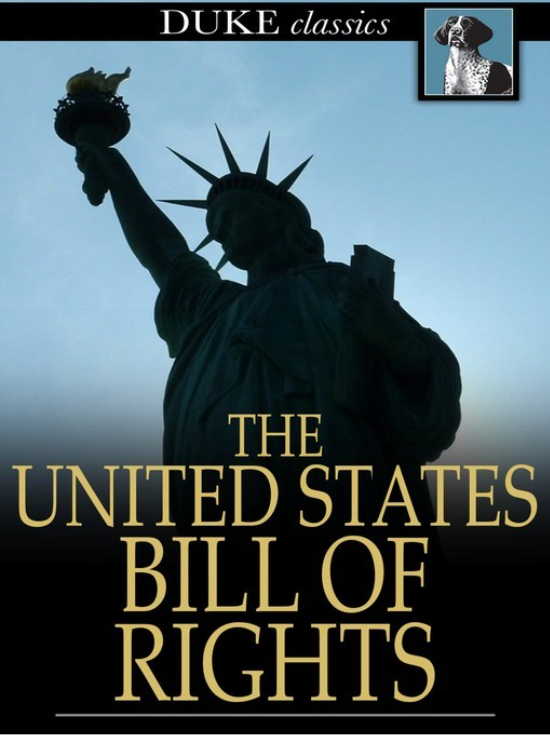
The United States Bill of Rights
One of the most remarkable characteristics of the U.S. Constitution is its mutability. The procedure for amending the Constitution ensures that it will always be a living document that reflects the evolving concerns of the American populace over time. Indeed, soon after the Constitution was ratified, it began to be amended. The first ten amendments, which are collectively referred to as the Bill of Rights, are presented in this document.
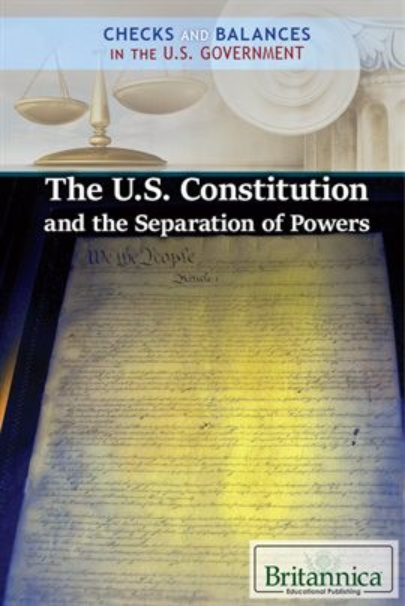
The U.S. Constitution and the Separation of Powers
Putting the three branches into historical context is important for understanding them, but equally important is illuminating the testing ground for their formation and solidification as current rules and regulations. Governments are fluid entities, and even written documents can be amended and changed out of careful consideration, observation, and sometimes necessity. More closely than the rest of the books in this series, this text shines a light on previous, documented changes to the written record underpinning the U.S. government, the U.S. Constitution, and how they came to be made. By Brian Duignan and Carolyn DeCarlo.
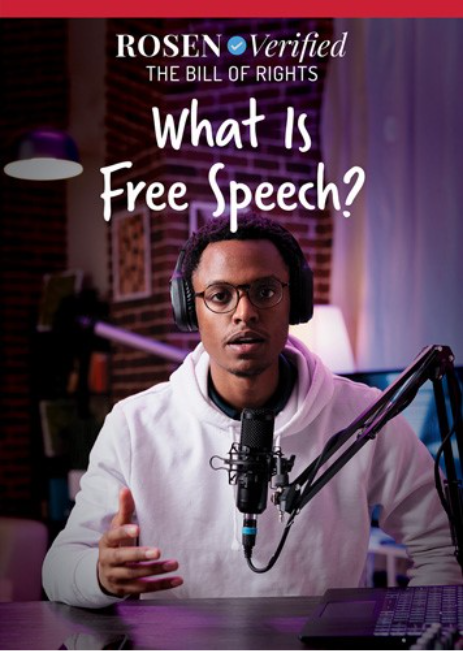
What Is Free Speech? Rosen Verified: The Bill of Rights
The First Amendment of the U.S. Constitution guarantees that Congress “shall make no law . . . abridging the freedom of speech or of the press.” But what does that mean? In this easy-to-understand book, readers will learn more about the background and history of the First Amendment and its promises, including freedom of speech. They’ll learn what that means – and doesn’t mean – and more about common misconceptions about this important right. Accessible text dealing with real-life situations and graphics further explaining the details will draw in anyone interested in knowing about basic American rights.
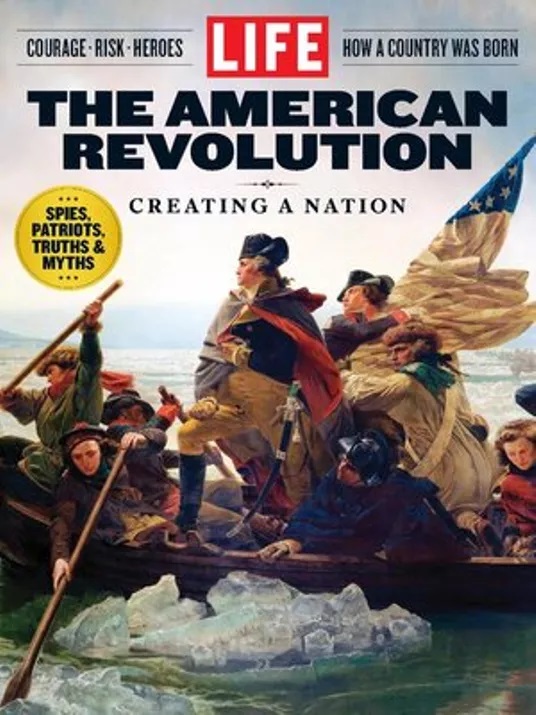
The American Revolution
From LIFE magazine, this volume details the creation of the United States with illustrated timelines and primary documents. It tells the story of loyalists and patriots, including Paul Revere’s historic ride, key battles in the Revolutionary War, and the drafting of the Declaration of Independence. Includes profiles of early American legends such as James Armistead and Molly Pitcher.
The views expressed in these links and resources do not necessarily reflect those of the U.S. government.
Updated August 2026